


-

Add: HeBei ShengShi HongBang Cellulose Technology CO.,LTD.
-

Email
13180486930@163.com -

CONTACT US
+86 13180486930




If you’ve ever tried to trowel a ceiling while the mix is racing ahead of you, you know the feeling: panic. That’s why a plaster retarder can be a genuine lifesaver on site. In fact, the right blend doesn’t just buy you time—it stabilizes workability so crews can finish cleanly, reduce waste, and hit spec without drama. Industry snapshot Gypsum-based products are booming with prefab panels, skim coats, machine-applied plasters, and fast-turn interiors. Contractors ask for predictable open time and smoother pumpability. Lately we’re seeing bio-based and low-odor chemistries, plus tighter QC aligned to ASTM/EN standards. It seems that brands able to tune set-time windows by application—board jointing vs. decorative moldings—are quietly winning bids. What the product is (and why it works) Gypsum retarder from HeBei ShengShi HongBang Cellulose Technology CO., LTD (Room 1904, Building B, Wanda Office Building, JiaoYu Road, Xinji City, Hebei Province) uses organic carboxylates and protein-modified actives to temporarily slow calcium sulfate hemihydrate hydration. In plain English: it gives you controllable working time without wrecking early strength—assuming, of course, you dose properly. Spec Typical value (≈; real-world use may vary) Form Free-flowing powder Dosage (on hemihydrate) 0.08–0.25% w/w Set-time extension From ~10 min to 35–90 min (ASTM C472/C266) Impact on strength @2h ±5% vs. control (proper dosing) pH (1% solution) 5.0–7.0 Shelf life 12 months, sealed, dry conditions Process flow, methods, and testing Materials : alpha/β-hemihydrate gypsum, water, cellulose ethers, dispersants, and a plaster retarder tailored to substrate and climate. Method : dry blend retarder into powder (preferred) or pre-dissolve in mix water; mix 2–3 minutes; check consistency. Verify set by Gillmore/Vicat needles (ASTM C266/C472) and conformity to EN 13279-1 categories. Service life of finished work is equivalent to control mixes when curing is correct. Industries : interior plastering, prefabricated moldings, gypsum blocks, machine-sprayed plasters, joint compounds, casting studios. Advantages: extended open time, smoother troweling, fewer cold joints, better pumpability, reduced rework. Usage scenarios: hot climates, large wall spans, intricate cornices where fast set ruins detail, or when batching is continuous. Vendor comparison (practitioner’s view) Vendor Certs Customization Lead time Notes HeBei ShengShi HongBang ISO 9001; RoHS-like screening Dosage/tuning by climate & substrate 7–14 days Strong tech support, consistent lots Global Vendor A ISO 9001/14001 Limited SKUs 10–21 days Stable but pricier Regional Vendor B Factory QC only On request 5–10 days Cost-effective; batch variation possible Customization and field cases Customization usually starts with base gypsum type and ambient temperature. Many customers say a plaster retarder tuned for summer cured their “flash set” headaches without over-watering the mix. Case 1 (MENA high-rise interiors) : Machine-sprayed plaster hitting initial set in ~12 min. With 0.15% additive, initial set moved to ~50 min; rework dropped ~30% and finish improved. Case 2 (Decorative casting) : Ornate cornices losing detail. At 0.10% dosage, open time rose to ~40 min, edge fidelity improved; compressive strength at 2 h within +3% of control (ASTM C472). Testing, certifications, and notes from site Tested per ASTM C472 and C266; conformity to EN 13279-1 categories on request. Typical lab data: control initial set 9–12 min; with 0.20% plaster retarder 60–75 min; water demand +1–2%. Storage: keep dry; reseal partial bags. Overdose? Expect slump loss/late strength dip—always run a trial batch. Certifications: ISO 9001 quality system maintained; safety data sheet available. References ASTM C472 – Standard Test Methods for Physical Testing of Gypsum, Gypsum Plasters and Gypsum Concrete. ASTM C266 – Standard Test Method for Time of Setting of Hydraulic-Cement Paste by Gillmore Needles (applicable to gypsum plasters). EN 13279-1 – Gypsum binders and gypsum plasters – Part 1: Definitions and requirements. ISO 9001 – Quality management systems – Requirements.
- 40000tons

Production
- 20+years

Experience
- 5000+㎡

Acreage

-
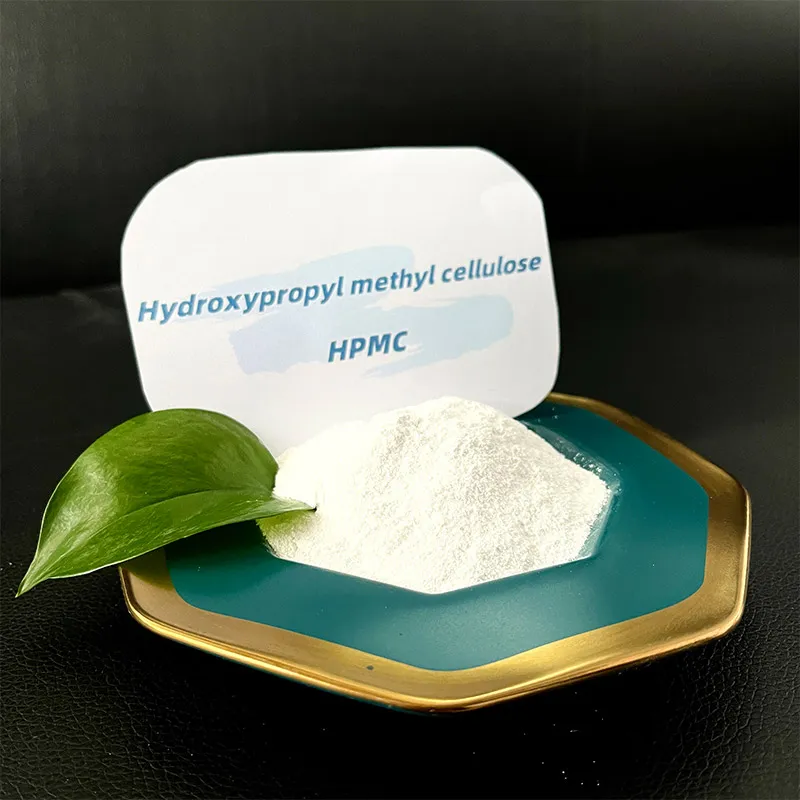
Methylcellulose tablets are rapidly gaining attention in both the medical and wellness industries due to their multifaceted applications and benefits. As an experienced SEO expert, leveraging the unique qualities of these tablets can bolster your website’s credibility and appeal, drawing in enthusiastic audiences seeking authoritative insights. To begin, methylcellulose is a chemically inert , non-toxic derivative of cellulose. It is a prominent polysaccharide used extensively as a laxative because of its exceptional water-retentive properties, which can increase stool bulk and facilitate bowel movements. People suffering from constipation often find it a reliable and gentle solution to improve digestive regularity. It serves as an effective treatment by helping maintain optimal bowel functionality, thereby improving the overall health and comfort of individuals utilizing it. Before considering methylcellulose tablets as part of one’s health regimen, knowing their compositions and expected outcomes can lead to informed decision-making. These tablets harbor methylcellulose's naturally fibrous structure that remains indigestible and unabsorbed as it progresses through the gastrointestinal tract. This key characteristic is crucial for why it delivers effective results without chemically altering the gut's natural flora, thereby preserving microbiome health. Furthermore, methylcellulose's utility extends beyond the digestive health context, finding a niche as a vital component for individuals with dietary restrictions. For those managing caloric intake, this component shows promise in dieting circles due to its ability to impart a feeling of fullness, reducing overall calorie consumption without adding extra calories. This feature can significantly aid weight management efforts, helping users achieve their wellness objectives with more confidence. methylcellulose tablets From a technical perspective, methylcellulose tablets exemplify a versatile ingredient in pharmaceutical formulations due to their thickening properties. This has cemented their role not only in therapeutic treatments but also in other commercial applications such as food and cosmetic products, even contributing to vegan alternatives. Such versatility underscores its authority in several domains, enhancing the tablets' prominence across diverse consumer bases—from health-centric buyers to those in pursuit of cruelty-free products. Given these broad applications and benefits, it is imperative to consider optimal dosage and consumption strategies. Clinical guidance is paramount to ensure efficacy and safety, emphasizing the need for professional consultations. Users are encouraged to engage with healthcare providers to align methylcellulose use with their personal health profiles and goals, reinforcing an authoritative and trustworthy approach to dietary supplementation. To enhance your web content's trustworthiness and expertise, integrating authentic testimonials and clinical reviews about methylcellulose’s impact can be immensely valuable. Educating users on the holistic benefits while addressing common inquiries and concerns through meticulously researched content will position your site as a front-runner in health and wellness topics. Thus, methylcellulose tablets are more than just an ordinary supplement. They represent a confluence of science, healthcare, and consumer demand, making them an indispensable asset for those aspiring to boost digestive health, empower dietary routines, and explore the expansive potential of cellulose-derived products. Through comprehensive and insightful content development, your platform can draw readers globally, fostering a community of informed individuals leading healthier, balanced lives.
-
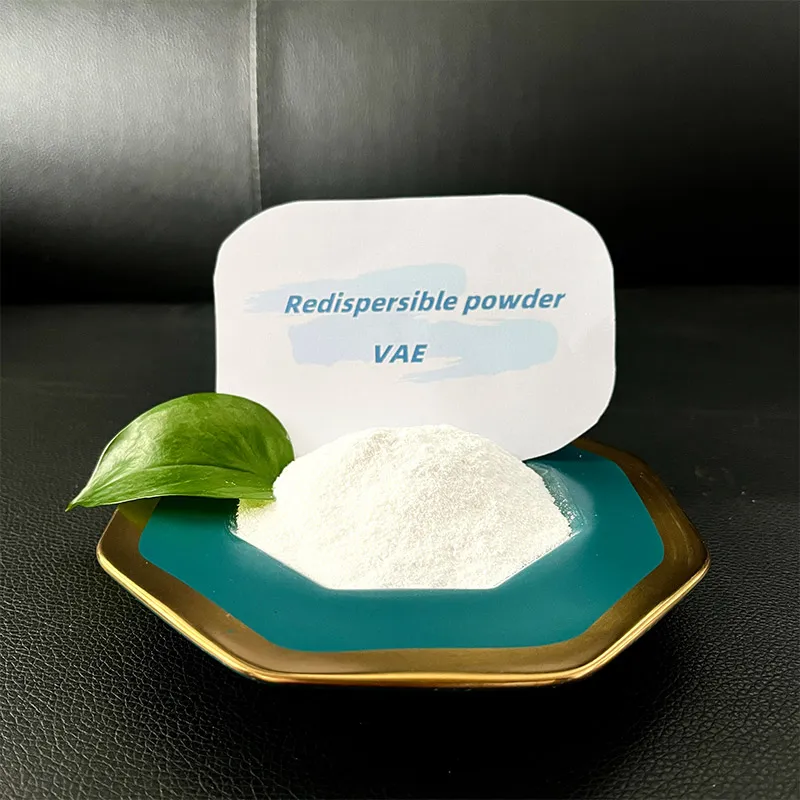
Methocel F50 is a trademarked brand of methylcellulose ether, commonly used as a thickener, emulsifier, and stabilizer in various applications, ranging from food to pharmaceuticals and industrial processes. Leveraging its unique properties, companies across sectors have found innovative ways to incorporate Methocel F50 into their products, enhancing both functionality and consumer appeal. From a professional perspective, Methocel F50 is celebrated for its versatility . As a non-toxic and hypoallergenic compound, it meets rigorous safety standards, making it suitable for a plethora of applications. In the food industry, for instance, Methocel F50 is often employed to improve texture and consistency in gluten-free products, which usually suffer from density and elasticity issues. The result is gluten-free bread and pastries that mimic the texture and appeal of their traditional counterparts, thus gaining favor among consumers adhering to gluten-free diets. In pharmaceuticals, Methocel F50 serves as an excipient—an inert substance formulated alongside the active ingredient of a medication. Its role in drug formulation is pivotal; as a controlled-release agent, it aids in the gradual release of medication, thereby enhancing efficacy and improving patient compliance. Medical professionals and pharmaceutical experts recognize Methocel F50 for these characteristics, valuing its capacity to maintain consistent performance and ensure product stability over time. In industrial applications, Methocel F50 offers exceptional performance due to its thermal gelation properties. It is often used in the production of building materials and coatings, where it acts as a thickener to control viscosity without compromising strength or durability. This characteristic not only optimizes the manufacturing process but also enhances the end product's quality, reinforcing the product's market competitiveness. methocel f50 The authority of Methocel F50 within its respective domains is well-documented through extensive research and industry validation. Companies utilizing Methocel F50 have reported significant improvements in their product's performance, backed by empirical data and continuous innovation in application techniques. Moreover, its adherence to global safety and quality standards further cements its position as a trusted ingredient across industries. Trust in Methocel F50 is further bolstered by its transparency in formulation and the traceability of its sourcing. Manufacturers are keen to provide detailed information regarding its composition, ensuring that end-users and professionals are well-informed regarding its application and safety. This open communication fosters confidence among consumers and industry experts alike, who prioritize transparency in the products they choose to use or recommend. In summary, Methocel F50 is distinguished by its unmatched versatility and reliability across multiple sectors. Its ability to adapt to diverse applications while meeting stringent safety and quality norms makes it an invaluable component in innovation. As industries continue to evolve, the expertise surrounding Methocel F50 will likely expand, introducing new possibilities and maintaining its relevance in an ever-changing market landscape.
advantages
-

200000 Viscosities
Excellent product
We can produce pure products up to 200,000 viscosities
-

40000 tons
High yield
We don’t stop production all year round, and the annual output can reach 40,000 tons
-

24 hours
Quality service
We provide 24-hours online reception service, welcome to consult at any time
———— Inquiry Form
Schedule A services

- redispersible_na_pulbos
Oct . 25, 2025
Large format tiles are becoming increasingly popular in both residential and commercial construction -
 harga_serat_pp
Oct . 25, 2025
HPMC vegetable cellulose, a plant-derived compound, is revolutionizing the way industries approach p -
 cellulose_based_wood_filler
Oct . 25, 2025
Plaster Retarder & Gypsum Retarder: Industry Trends, Technical Specification, Comparison & Applicati


